
In the rapidly growing dietary supplements market, consumers are increasingly seeking high-quality products at affordable prices. This trend has led to a surge in demand for cost-effective production solutions. An OEM (Original Equipment Manufacturer) factory that specializes in dietary supplements can offer significant advantages in terms of efficiency, quality control, and cost savings. This article explores how a competitive dietary supplements OEM factory can provide cost-effective production while maintaining high standards of quality and innovation.
I. The Importance of Cost-Effective Production in the Dietary Supplements Industry
A. Rising Market Demand
The global dietary supplements market is experiencing exponential growth, driven by increasing health consciousness and an aging population. Consumers are more aware than ever of the benefits of vitamins, minerals, and herbal supplements. However, with this growth comes increased competition, and manufacturers must find ways to produce high-quality products at competitive prices to stay ahead.
B. Challenges of In-House Production
For many supplement companies, in-house production can be a costly and complex endeavor. It requires significant investment in equipment, facilities, and personnel. Additionally, maintaining strict quality standards and regulatory compliance can be a challenge without the expertise and resources of a specialized OEM factory. By partnering with an OEM, companies can offload these burdens and focus on their core strengths, such as product development and marketing.

C. The Role of OEMs in Cost Reduction
OEM factories have the advantage of economies of scale. They can source raw materials in bulk, negotiate better prices with suppliers, and optimize production processes to reduce waste and increase efficiency. This translates to lower production costs for their clients, allowing them to offer more competitive pricing in the market.
II. Key Factors for a Competitive Dietary Supplements OEM Factory
A. Advanced Manufacturing Technology
A competitive OEM factory must invest in state-of-the-art manufacturing technology. This includes automated production lines, precision blending equipment, and advanced encapsulation and packaging machines. These technologies not only increase production speed and accuracy but also ensure consistent product quality. For example, high-speed tablet presses can produce thousands of tablets per hour with precise weight and dosage control, reducing the risk of errors and rework.
B. Stringent Quality Control Systems
Quality is paramount in the dietary supplements industry. A reputable OEM factory should have robust quality control systems in place, from raw material inspection to finished product testing. This includes adhering to Good Manufacturing Practices (GMP) standards, conducting regular audits, and implementing rigorous testing protocols for potency, purity, and safety. By partnering with an OEM that prioritizes quality, clients can be confident that their products meet the highest standards and are safe for consumers.
C. Regulatory Compliance Expertise
Navigating the complex regulatory landscape of the dietary supplements industry can be daunting. An experienced OEM factory should have in-depth knowledge of local and international regulations, such as FDA guidelines in the United States or EU regulations. They can guide clients through the approval process, ensure proper labeling and documentation, and help avoid costly compliance issues. This expertise is crucial for companies looking to expand their market reach and maintain a strong brand reputation.
III. Strategies for Enhancing Cost-Effectiveness in Dietary Supplements Production
A. Efficient Supply Chain Management
Effective supply chain management is essential for cost-effective production. A competitive OEM factory should have strong relationships with reliable suppliers and implement efficient logistics systems. This includes optimizing raw material procurement, reducing lead times, and minimizing inventory costs. By streamlining the supply chain, the factory can reduce production delays and ensure a steady flow of materials, ultimately lowering production costs.
B. Customized Formulation and Product Development
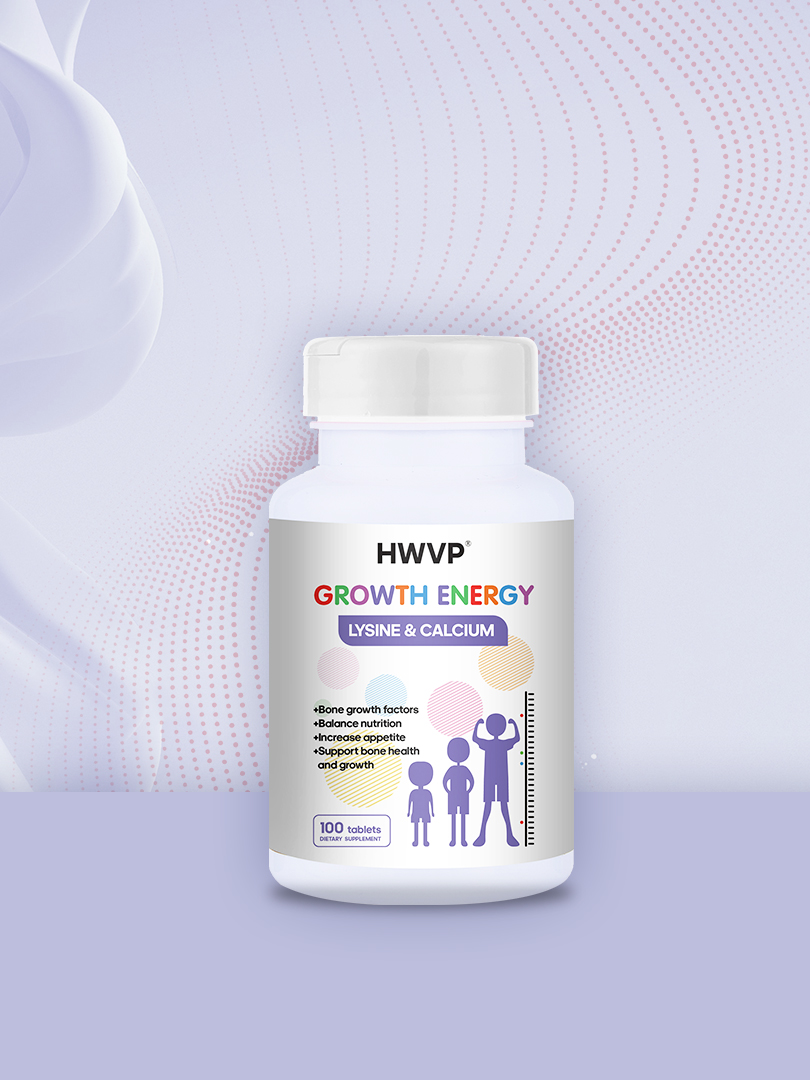
One of the key advantages of partnering with an OEM factory is the ability to offer customized formulations and product development services. By working closely with clients, the factory can create unique supplement products tailored to specific market needs. This not only differentiates the client's products in the market but also allows for more efficient production, as the factory can optimize the formulation process to minimize waste and maximize yield.
C. Continuous Improvement and Innovation
To stay competitive, an OEM factory must continuously invest in research and development. This includes exploring new ingredients, formulations, and delivery methods to enhance product efficacy and appeal. By staying at the forefront of industry trends and innovations, the factory can offer clients cutting-edge solutions that give them a competitive edge in the market. Additionally, continuous improvement in production processes can lead to further cost reductions and increased efficiency over time.
In conclusion, a competitive dietary supplements OEM factory plays a vital role in providing cost-effective production solutions for companies in this growing industry. By leveraging advanced technology, stringent quality control, and regulatory expertise, an OEM can help clients produce high-quality supplements at competitive prices. Through efficient supply chain management, customized product development, and a commitment to continuous improvement, an OEM factory can enhance its cost-effectiveness and ensure long-term success for both itself and its clients.